This article explains public information. It does not determine eligibility or replace an official notice.
Do not assume every card is nationwide
Many agriculture-support cards are run by a provincial department. Confirm the province and responsible agency before using any registration form shared in a message or video.
Five details to verify
A complete announcement should make these points easy to find.
- Who can apply and which districts are included.
- Which land, tenancy, or farmer record is checked.
- Whether the benefit is credit, subsidy, inputs, or insurance.
- Which bank or agriculture office is involved.
- The opening and closing dates on an official domain.
Land and tenancy records need separate verification
Check which land or tenancy evidence the specific card scheme accepts. If the underlying record is inaccurate, ask the responsible land-record office how to correct it. A change to a land record and a decision on an agriculture-support application are separate processes.
Keep proof of submission
Save the official application number, receipt, or confirmation message. Never post identity documents publicly when asking about an application.
Punjab Kissan Card as a specific example
The Punjab portal describes the CM Kissan Card with land, identity and other verification and a Bank of Punjab role. Its published registration instruction uses PKC followed by a space and the CNIC sent to 8070. Verify that instruction and the current phase on the official page before using it; it is not a general code for every farming scheme.
The programme's credit limits, covered acreage and purchase arrangements should be checked for the relevant phase. An older page or video may describe a previous set of terms. Do not assume a neighbour's approved limit applies to your landholding or that unused credit can be withdrawn as unrestricted cash.
Prepare the records behind the application
Compare the spelling and identity details across your CNIC, contact record and the land information relevant to the scheme. Ask the agriculture office which record it uses. If ownership, inheritance or tenancy is unresolved, identify the specific issue before seeking a programme decision.
Keep copies of application references and any instructions to correct a record. A farmer may deal with several offices during the process, and each one handles a different part of the inquiry. A brief note of the office, date and document requested helps prevent repeated visits with the wrong paperwork.
Credit, subsidy and permitted purchases
A credit facility must be repaid under its terms; a subsidy reduces a specified cost; an input-support arrangement may restrict purchases to approved products or sellers. Read which arrangement the actual card provides. The word support does not establish that every transaction is free.
Ask about the repayment date, permitted merchants, charges and how a purchase appears on the account. For seasonal farming, consider when crop income is expected and what would happen if the harvest is delayed. These are questions for the authorized provider before using the facility, not after the repayment period has ended.
At the bank or authorized dealer
Confirm that the service point participates in the scheme for your area and phase. Keep control of the card and any personal security code. Ask for a transaction receipt showing the purchase or account activity and check it before leaving.
If the dealer says a transaction failed but goods or funds appear to have been charged, retain the reference and contact the authorized provider. Avoid allowing repeated attempts without understanding whether the earlier transaction was reversed. A written record helps the provider distinguish a failed purchase from a duplicate charge.
Rejection, pending verification or a lost card
A pending message does not identify the cause by itself. Ask whether the issue concerns land information, identity, the programme criteria or the financial provider's checks. Correct the relevant record through the responsible office rather than paying somebody who claims to remove the hold.
For a lost card or suspected misuse, contact the issuing provider promptly using its published channel. Ask about restricting access and replacement. Keep the complaint reference and do not give an OTP to an unsolicited caller offering recovery. The official provider must explain what happens to any outstanding balance or repayment obligation.
Check the province before following advice
Farming schemes in different provinces can share similar names while using different administrators. This guide's Kissan Card example is Punjab-specific. Readers elsewhere should start with their own agriculture department rather than sending documents to a Punjab application route that may not cover them.
For other kinds of support, use the scheme directory to compare the purpose and responsible organization. Keep agricultural finance decisions separate from household welfare decisions, and ask each programme about its own rules when a family already receives another benefit.
Frequently asked questions
Is a farmer card the same as BISP support?
No. Provincial agriculture schemes have their own records, eligibility and financial arrangements.
Does a card always provide a cash grant?
No. It may provide credit or support for specified purchases. Confirm the product’s terms.
Where do I correct a land-record problem?
Ask the relevant land-record or revenue office about the underlying entry, and the agriculture programme about its application record.
Can I use an old registration message for a new phase?
Check the current official phase and instructions before submitting; old limits and dates may no longer apply.
Sources and official links
Check the destination address before entering personal information.
Saad has covered BISP, Ehsaas, and provincial welfare schemes for Live Govt Schemes & Ehsaas Programs since 2024, cross-checking every guide against the current official portal before publication.
Ayesha reviews programme-eligibility and payment content for accuracy against BISP, NADRA NSER, and provincial notices, and flags any guide that needs an update after an official policy change.
Related guides
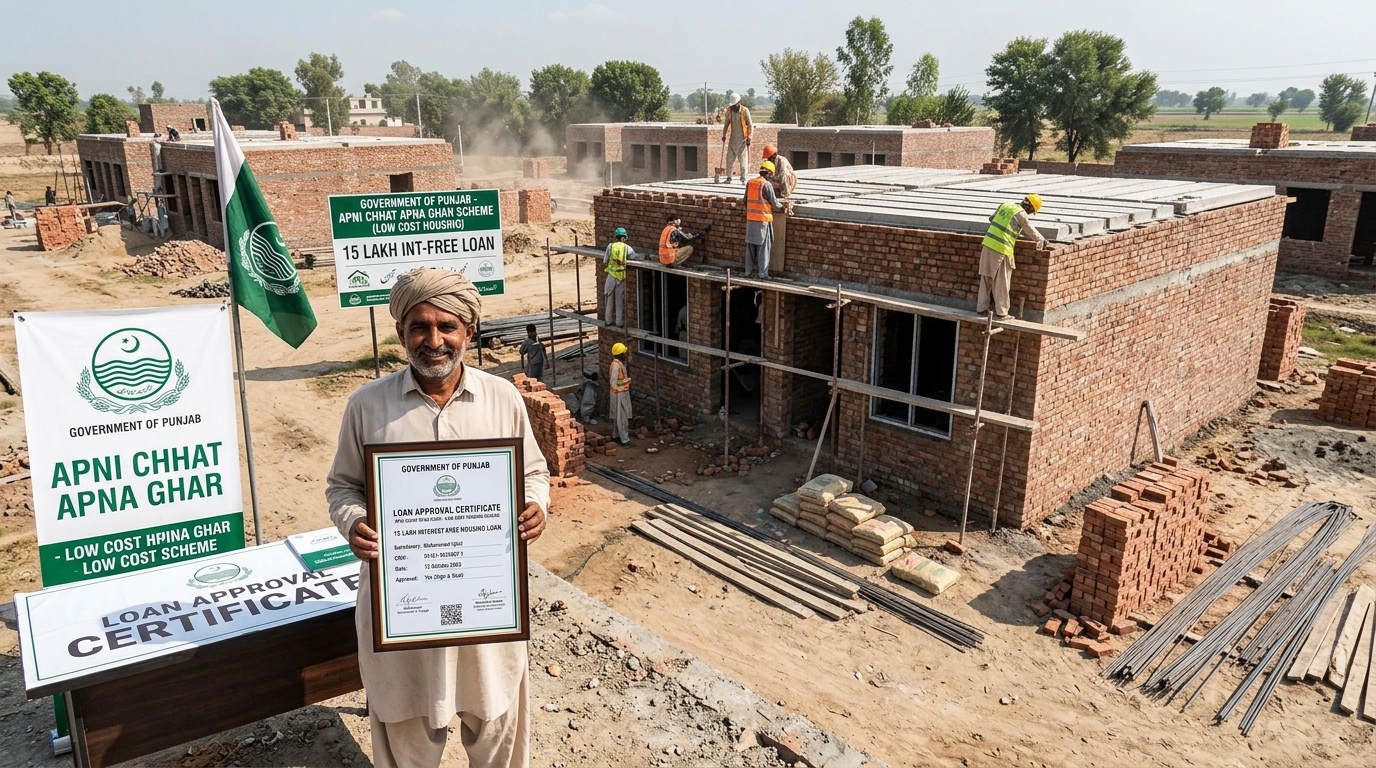
Apni Chhat Apna Ghar Loan: Instant Qist Tracking
PITB portal par 15 lakh bila-sood loan ki approval check karne aur pehli qist (installment) track karne ka mukammal step-by-step tariqa.
Read guide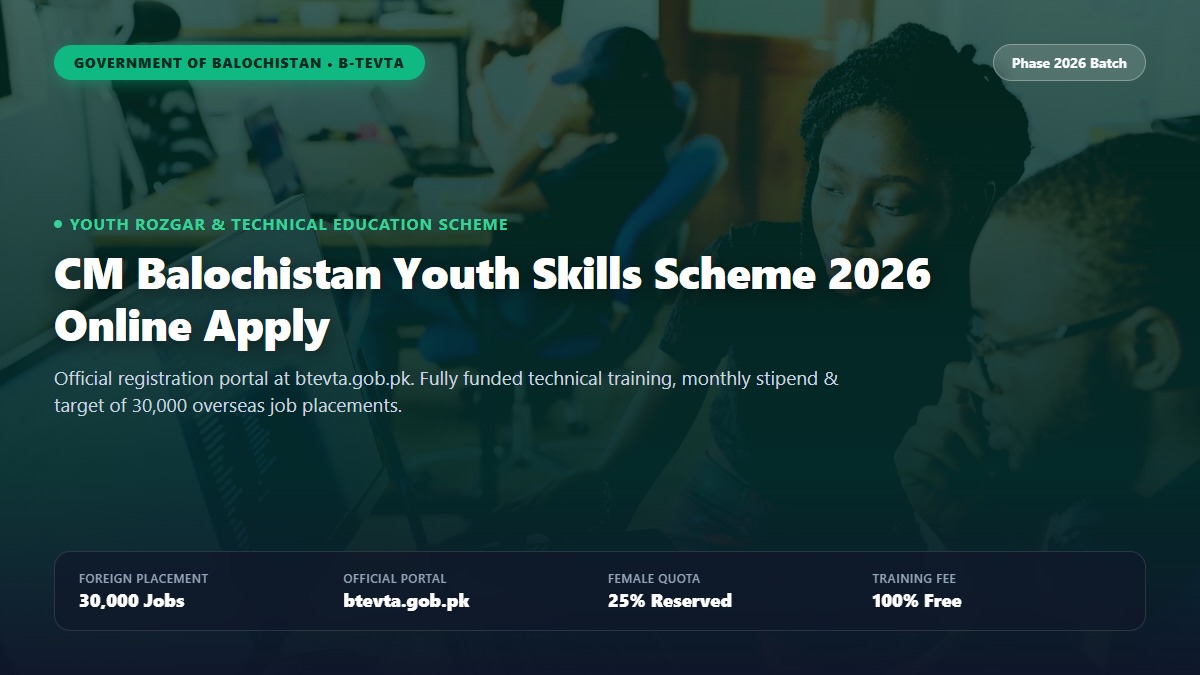
CM Balochistan Youth Skills Scheme 2026 Online Apply & Registration Guide
Apply online for CM Balochistan Youth Skills Scheme 2026. Complete guide to B-TEVTA online registration, courses, monthly stipends, and 30,000 overseas jobs.
Read guide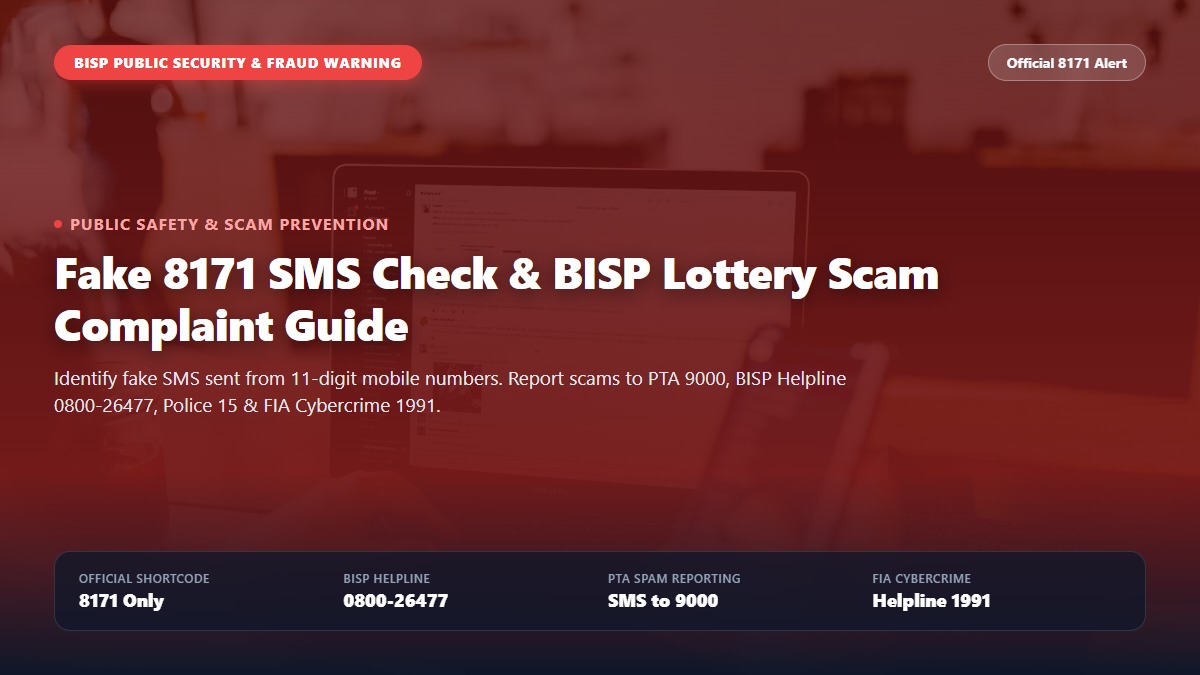
Fake 8171 SMS Check, Complaint & BISP Lottery Fraud Alert Guide
Spot fake 8171 SMS scams and report BISP lottery fraud. Step-by-step guide to reporting scammers on PTA 9000, BISP Helpline 0800-26477, Police 15, and FIA Cybercrime.
Read guide