This article explains public information. It does not determine eligibility or replace an official notice.
Common warning signs
Pause when a message creates urgency or asks you to bypass the official process.
- A sender other than the official 8171 service claims you have been selected.
- Someone asks for a fee to release, increase, or restore a payment.
- A link uses a misspelled or unrelated website address.
- A caller asks for your OTP, bank PIN, password, or full card details.
- An agent asks to keep your original CNIC.
- A social account guarantees approval or a fixed payment date.
- A form asks you to upload identity documents to an unknown drive or chat.
Why these scams work
Fraudulent messages often copy real BISP terminology — CNIC checks, 8171, Kafaalat, tehsil office — which makes them look credible at a glance. The giveaway is usually the channel: a personal WhatsApp number, an unofficial-looking link, or a request that a genuine government process would never make, like payment in exchange for approval.
What to do instead
Close the suspicious page, keep a screenshot without exposing private information, and verify through BISP's official website, 8171 portal, or a tehsil office. If financial details were shared, contact the relevant bank immediately.
What legitimate BISP contact never needs from a caller
An unsolicited caller does not need your bank PIN, password or OTP to explain a BISP notice. Do not read out a code that could authorize a login, withdrawal or transfer. If a bank requires verification within its own official process, complete that process directly instead of relaying the code to somebody who contacted you unexpectedly.
Be cautious when a caller knows part of your identity information. Possessing a name or CNIC detail does not prove that the caller works for BISP. End the exchange and contact the official organization through a number you obtained independently. Do not use the caller's supplied callback number as the only verification.
How to verify the real portal
The public household portal is at 8171.bisp.gov.pk. Read the hostname before entering anything. A copied logo, government colours or the words official portal in a title are easy to imitate. The padlock protects the connection to the site you opened; it does not certify an unrelated domain as a government service.
Avoid shortened links and unofficial apps promising a faster check. Open the official address yourself or follow the link from BISP's website. PakBenefits never asks readers to enter CNIC numbers into a local checker. An information article can explain a result, but it cannot access the beneficiary database.
Deductions, fake registration desks and wallet activation
At a payment point, count the amount and retain the available receipt. If somebody demands a cut, record the location, date and amount. A claim that part of a payment must be returned as a processing fee should be checked with BISP, even if the person appears familiar with the collection process.
Fake registration desks can also collect documents without authority. Ask which official office runs the activity and verify it through BISP. For wallet or SIM arrangements, use the currently authorized provider and keep control of the account. Do not allow a helper to register the account using a number or credentials that only the helper controls.
What to do if you were scammed
If money or financial credentials are involved, contact the bank or wallet provider promptly and ask about protecting the account and reporting the transaction. Keep the original message, sender details, payment reference and relevant dates. Do not delete evidence after blocking a sender, and do not pay a second person promising guaranteed recovery.
For a BISP programme issue, use the official website's helpline or office route. The site currently lists 0800-26477. Describe what happened and retain a complaint reference. Give identity or transaction evidence only through the authorized complaint process, not in public posts intended to warn other readers.
Reporting online fraud: NCCIA and the older FIA name
Older guidance often refers to FIA Cybercrime Wing. The National Cyber Crime Investigation Agency now publishes the official cybercrime complaint system and reporting instructions. Its complaint portal lists 1799 and provides the formal reporting route. Use the current NCCIA guidance rather than an old phone number copied from a private article.
A report should describe the event factually and include the evidence requested by the official process. Filing a report is not a guarantee of reimbursement or a particular outcome. Keep the reference and follow the agency's instructions about further verification, while continuing any separate account-protection steps with the financial provider.
Help a relative without exposing their documents
A trusted family member can read a notice, open the official website or help organize a complaint. Keep the beneficiary involved and share only the information required by the official channel. Avoid forwarding identity photographs through several people merely to ask a general question.
If you warn others publicly, redact personal identifiers and transaction details that could expose the victim again. Share the warning signs and official destination instead of reproducing a scam link that another reader might open. For an error in this guide, contact the editorial desk with a public source.
Frequently asked questions
Can someone guarantee BISP approval for a fee?
No private agent can guarantee an official eligibility decision or payment release.
Is it safe to send my CNIC to any number claiming to be BISP?
No. Verify the official destination first; BISP identifies 8171 as its official messaging number.
Where do I report a BISP payment deduction?
Use BISP’s official helpline or office route and keep the receipt, date, location and amount.
Should online fraud still be reported only to FIA Cybercrime Wing?
NCCIA now publishes the official cybercrime complaint route. Use its current complaint portal and guidance.
What if I shared a bank code with a scammer?
Contact the bank or wallet provider promptly to protect the account, preserve the evidence and use the appropriate official reporting channel.
Sources and official links
Check the destination address before entering personal information.
Saad has covered BISP, Ehsaas, and provincial welfare schemes for Live Govt Schemes & Ehsaas Programs since 2024, cross-checking every guide against the current official portal before publication.
Ayesha reviews programme-eligibility and payment content for accuracy against BISP, NADRA NSER, and provincial notices, and flags any guide that needs an update after an official policy change.
Related guides
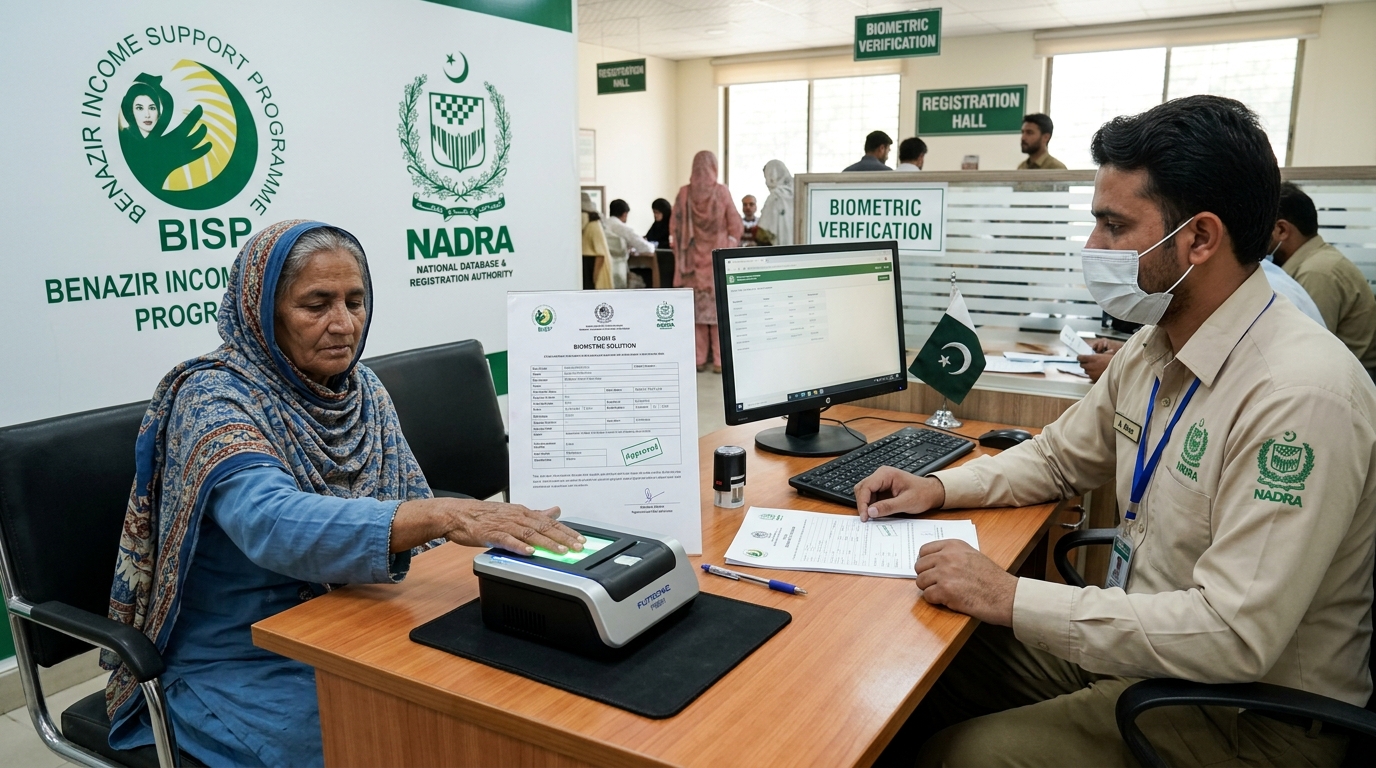
BISP Biometric Failed? Guaranteed Rs 13,500 Fix
POS machine ya ATM par fingerprints match na hone ki surat mein 13,500 Rs ki payment Form B aur NADRA verification ke zariye hasil karne ka mukammal tariqa.
Read guide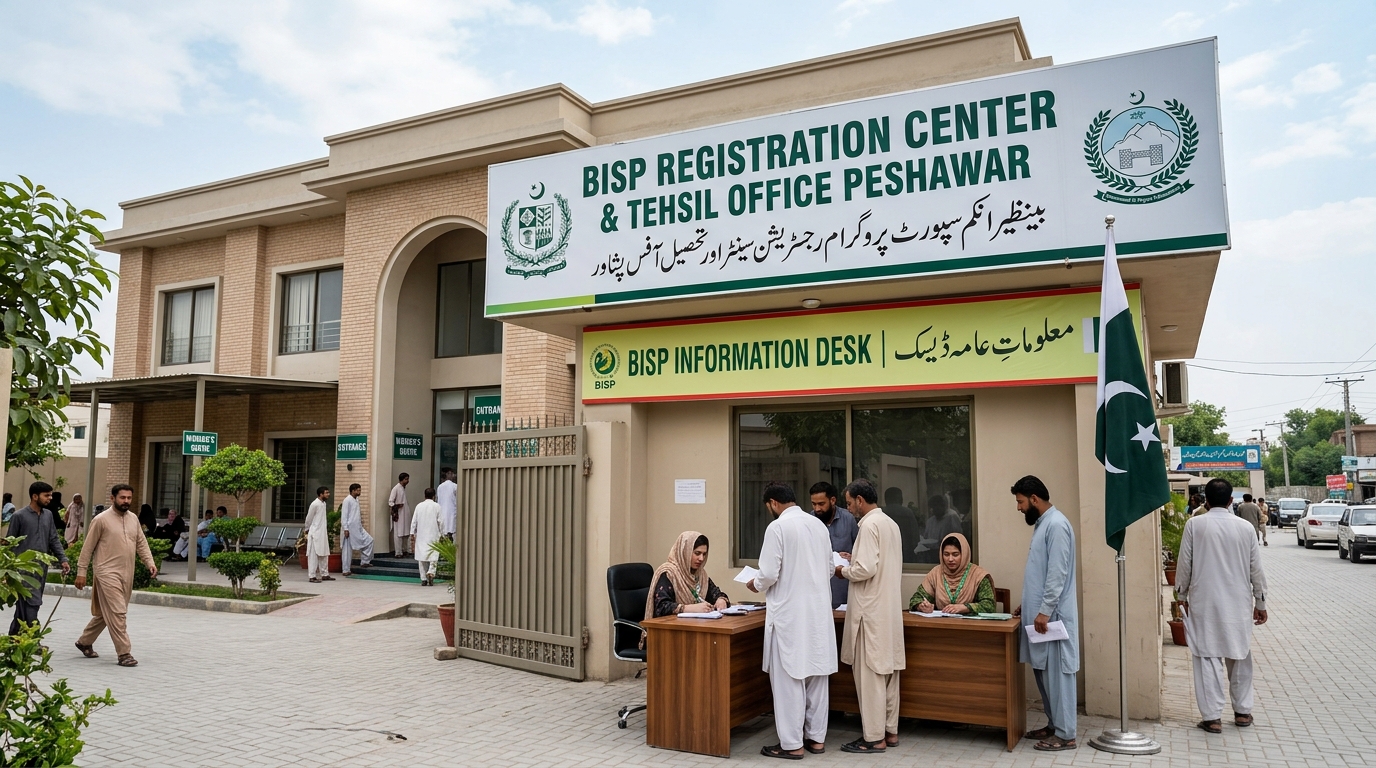
Verified BISP Tehsil Offices KPK & Peshawar List
Peshawar aur KPK ke tamam major districts ke BISP offices ke exact addresses, contact details aur timings ki mukammal master list.
Read guide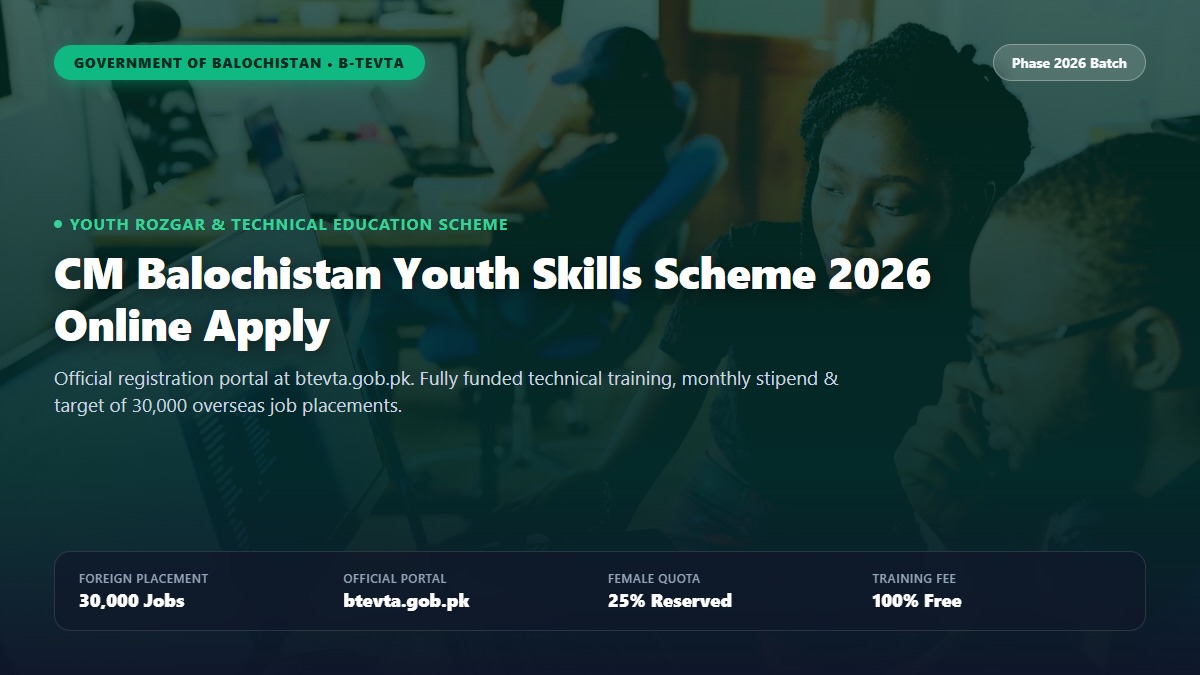
CM Balochistan Youth Skills Scheme 2026 Online Apply & Registration Guide
Apply online for CM Balochistan Youth Skills Scheme 2026. Complete guide to B-TEVTA online registration, courses, monthly stipends, and 30,000 overseas jobs.
Read guide