This article explains public information. It does not determine eligibility or replace an official notice.
What Is the Punjab Apna Khet Apna Rozgar Scheme 2026?
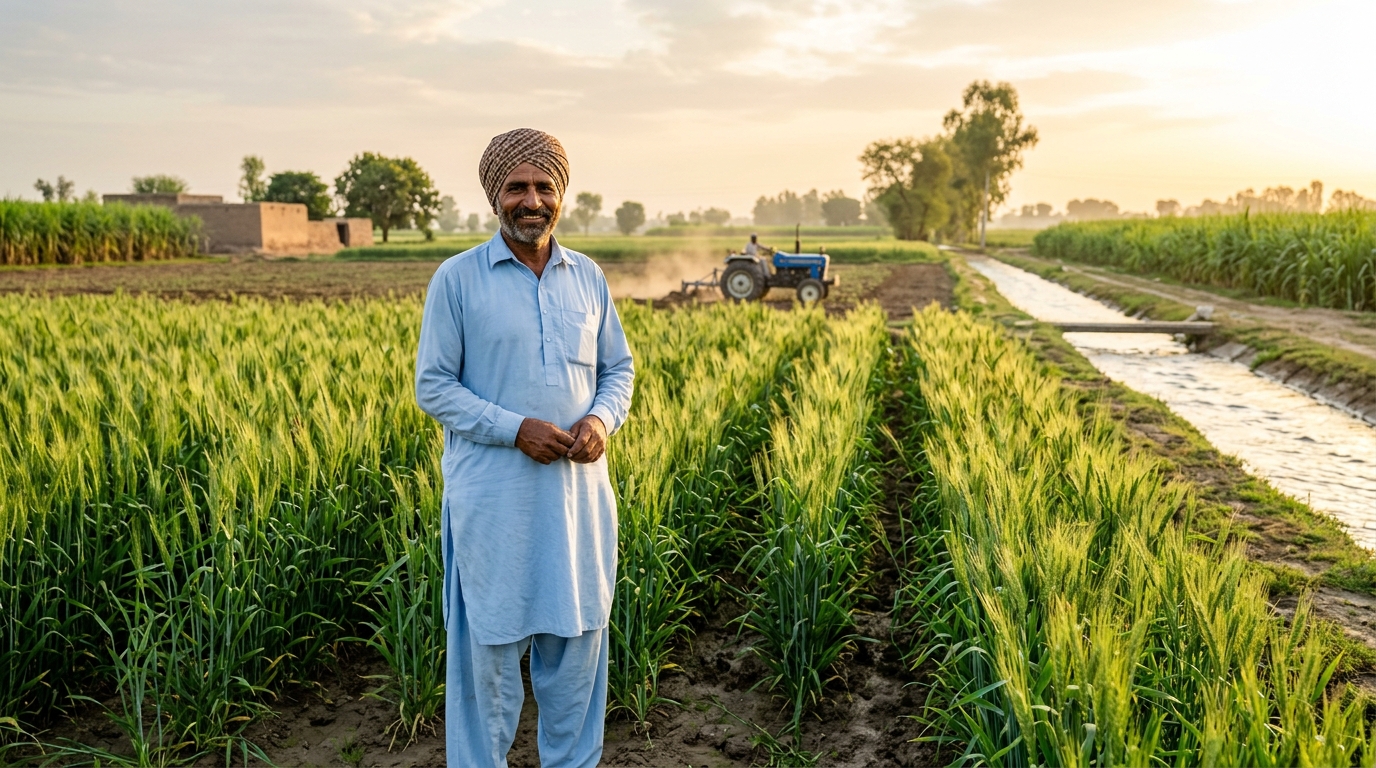
The Punjab Apna Khet Apna Rozgar Scheme (AKAR) is a provincial land redistribution and agricultural empowerment initiative launched by the Government of Punjab under the leadership of Chief Minister Maryam Nawaz Sharif. The program transfers temporary operational control of uncultivated, cultivable state land to verified landless farmers, rural laborers, and unemployed youth to stimulate food security and eliminate rural poverty across Punjab.
Execution of the initiative is managed through a collaborative framework involving the Punjab Land Records Authority (PLRA), the Punjab Urban Land Systems Enhancement (PULSE) project, and the Agriculture Department of Punjab. Instead of selling provincial state assets, the government distributes land through a transparent long-term lease model that protects state ownership while providing low-income families with an independent, sustainable source of agrarian livelihood.
Official administrative records indicate that over 200,000 applicants registered during the initial rollout phases. The provincial government identified tens of thousands of acres of fertile state land across 36 districts, prioritizing southern Punjab, riverine tracts, and the Cholistan desert belt for initial cluster distribution.
By combining land access with immediate financial assistance and modern agricultural credit through the Punjab Kisan Card, the scheme establishes a self-sustaining farming ecosystem. Selected smallholders receive not only the physical land parcel but also the institutional backing necessary to prepare the soil, install irrigation facilities, and purchase certified seeds and fertilizers.
Who Is Eligible for Apna Khet Apna Rozgar Scheme Registration?
Eligibility for the Apna Khet Apna Rozgar Scheme requires applicants to be permanent residents of Punjab holding a valid Computerized National Identity Card (CNIC) and possessing zero recorded agricultural land ownership. The applicant must be between 18 and 50 years of age on the date of application submission and must belong to an underprivileged rural household actively engaged in agricultural labor or facing persistent unemployment.
The program enforces a strict one-person-per-household policy to guarantee equitable resource distribution across rural communities. If multiple members of the same family unit apply, only the primary applicant verified against NADRA family tree records remains eligible for the computerized balloting phase. Applicants must possess a completely clean financial and legal record, meaning individuals with active bank defaults or criminal convictions are disqualified during automated pre-scrutiny.
Government employees, semi-government staff, autonomous body workers, and their direct dependents cannot participate in the scheme. Verification of applicant landlessness is performed digitally through real-time cross-referencing between the Punjab Land Records Authority digital cadastre, Arazi Record Centers, and the national tax database.
| Eligibility Criterion | Mandatory Requirement | Verification Mechanism |
|---|---|---|
| Provincial Residency | Permanent Punjab Resident | NADRA CNIC & Punjab Domicile Certificate |
| Age Bracket | 18 to 50 Years Old | Verified automatically via NADRA Birth Records |
| Land Ownership Status | 100% Landless (0 Acres Owned) | PLRA Digital Land Records & Arazi Record Centers |
| Household Limit | Strictly One Applicant Per Family Unit | NADRA Family Tree (CRC / FRC) Cross-Match |
| Employment Status | Unemployed or Landless Farm Laborer | Government Employment Exclusion Database |
| Financial / Legal Record | Zero Bank Defaults & No Criminal Record | State Bank e-CIB & Police Verification System |
What Documents Are Required for the AKAR Online Application?
Applying for the Apna Khet Apna Rozgar Scheme requires four core identity and residency documents, all of which must be active and verifiable through provincial databases. Before beginning the online registration form at akar.pulse.gop.pk, applicants must ensure their personal documentation is up to date with NADRA and the local district administration.
Applicants who have recently renewed their CNIC or updated their marital status must allow 48 hours for NADRA databases to synchronize before initiating online registration. Preparing legible PDF or JPEG files under 2 MB per document prevents portal timeout errors during digital document upload.
- Original Computerized National Identity Card (CNIC): Must be valid and unexpired; clear front and back digital copies are required.
- Biometrically Registered Mobile SIM: The cellular number must be registered under the applicant's own CNIC to receive the mandatory SMS OTP code.
- Punjab Domicile Certificate: Issued by the relevant district administration confirming permanent residency within Punjab.
- Affidavit of Landlessness & Non-Employment: A legal undertaking on stamp paper affirming that the applicant owns zero agricultural land and holds no public sector job.
How to Apply Online for Apna Khet Apna Rozgar Scheme at akar.pulse.gop.pk?
The online application for the Apna Khet Apna Rozgar Scheme is completed exclusively through the official Punjab government web portal at akar.pulse.gop.pk. Prospective beneficiaries can complete their registration on a desktop computer, smartphone, or by visiting a free facilitation desk at their local Assistant Commissioner (AC) or Deputy Commissioner (DC) office.
The digital application process takes approximately 10 to 15 minutes to complete. Follow this step-by-step procedure to ensure your registration is accepted into the official balloting pool.
- Step 1: Access the Official Portal — Open your web browser and navigate directly to https://akar.pulse.gop.pk/ on the secure .gop.pk provincial domain.
- Step 2: Citizen Registration & CNIC Entry — Click on 'New Registration' and input your 13-digit CNIC number without hyphens or spaces.
- Step 3: Mobile OTP Authentication — Enter your active mobile number registered under your CNIC; input the 6-digit One-Time Password received via SMS within 60 seconds.
- Step 4: Complete Personal & Family Details — Fill in your full name, father's/husband's name, residential address, tehsil, and district matching your CNIC.
- Step 5: Select Land Preference Zone — Choose your preferred district and tehsil for state land allotment from available provincial land parcels.
- Step 6: Upload Mandatory Scanned Documents — Attach clear scans of your CNIC, Punjab Domicile, and signed affidavit of landlessness in JPEG or PDF format.
- Step 7: Review & Final Submission — Verify all entered details, check the statutory declaration agreeing to lease conditions, and click 'Submit Application'.
- Step 8: Save Application Tracking Slip — Download and print the confirmation slip containing your unique Application Tracking ID for balloting reference.
What Land Allotment Size, Lease Duration, and Financial Grants Are Provided?
Under the Apna Khet Apna Rozgar Scheme, each selected beneficiary receives a cultivable parcel of state land measuring between 2 to 5 acres, with the standard allotment configured as a 4-acre unit. The land is awarded on a long-term agricultural lease of 10 years, which may be extended up to 20 years subject to satisfactory land management and compliance with provincial cultivation standards.
To eliminate financial barriers for resource-poor families, the Government of Punjab fixed the annual lease rental at a purely nominal rate of Rs. 100 per year. This symbolic fee guarantees that landless farmers are not burdened with commercial tenancy rates while legalizing their operational rights over state assets.
In addition to the land parcel, the provincial government provides a direct cash grant of Rs. 200,000 to each beneficiary family. This grant is disbursed in structured phases to fund initial laser land leveling, soil preparation, plowing, and the procurement of certified seeds and fertilizers. Beneficiaries are also enrolled in the Punjab Kisan Card network, granting access to interest-free production loans ranging from Rs. 150,000 to Rs. 300,000 per crop cycle.
| Benefit Component | Specification | Terms & Payment Schedule |
|---|---|---|
| Land Parcel Size | 2 to 5 Acres (Standard 4 Acres) | Cultivable, surveyed provincial state land |
| Lease Tenure | 10 Years (Extendable to 20 Years) | Renewable upon satisfactory land maintenance |
| Annual Lease Rental | Rs. 100 Per Year | Nominal symbolic fee paid annually to district treasury |
| Initial Cash Assistance | Rs. 200,000 Per Family | Direct bank transfer for land leveling and farm inputs |
| Kisan Card Credit Facility | Rs. 150,000 to Rs. 300,000 | Interest-free seasonal loans for fertilizer, seed, and diesel |
| Irrigation Support | Solar Tubewell & Canal Water Rights | Priority allocation through Punjab Irrigation Department |
How to Check Apna Khet Apna Rozgar Balloting Results and Merit List 2026?
Applicants can check their Apna Khet Apna Rozgar balloting status online by visiting the official results portal at akar.pulse.gop.pk and entering their 13-digit CNIC number. The Punjab government conducts land distribution through a computerized digital balloting system (E-balloting) overseen by provincial steering committees to eliminate manual interference and political patronage.
In the inaugural 2026 balloting phase presided over by Chief Minister Maryam Nawaz Sharif, 30,000 successful applicants were selected from across Punjab's 36 districts. The computerized algorithm randomly selects winners from the pool of fully scrutinized, landless-verified applicants and assigns specific surveyed land parcel numbers.
Following digital selection, local revenue officials, including the Tehsildar and Patwari, conduct on-site physical demarcation of the parcel. Successful farmers are formally handed physical possession of the land upon signing the standardized lease deed at the Assistant Commissioner's office.
- Visit https://akar.pulse.gop.pk/ and click on 'Balloting Results 2026'.
- Enter your 13-digit CNIC number without hyphens or spaces.
- Click 'Check Status' to view your official balloting outcome.
- If selected, view your provisional parcel number, allotted acreage, tehsil, and district.
- Download and print the 'Provisional Allotment Intimation Letter' directly from the portal.
What Are the Land Cultivation Rules, Kisan Card Benefits, and Restrictions?
Beneficiaries of the Apna Khet Apna Rozgar Scheme must bring the allotted state land under active agricultural cultivation within six months of receiving physical possession. The program permits diverse agricultural enterprises, including traditional cereal crops (wheat, rice, maize), cash crops (cotton, sugarcane, oilseeds), high-value horticulture, and integrated dairy and poultry farming.
Violation of statutory conditions triggers immediate cancellation of the lease, forfeiture of the Rs. 200,000 grant, and repossession of the land parcel by the district administration. Conversely, compliant farmers receive prioritized access to agricultural mechanization schemes, including subsidized tractors, laser levelers, and solarized tubewell conversions.
- Absolute Prohibition on Subletting: The beneficiary cannot rent, sublease, sharecrop, or transfer the land to any third party under any circumstances.
- Prohibition of Sale or Mortgage: The land remains the exclusive property of the Government of Punjab; it cannot be sold, gifted, subdivided, or pledged as collateral.
- Mandatory Personal Cultivation: The allottee or immediate household members must physically manage and work the land parcel.
- Environmental & Water Compliance: Farmers must adhere to sustainable irrigation guidelines and cannot convert agricultural land into commercial or residential plots.
Where Are the Priority Agricultural Zones in Punjab (Cholistan & Katcha)?
The Government of Punjab designated the Cholistan desert region and the riverine (Katcha and Daryaee) belts along the Indus and Chenab rivers as primary geographic focal zones for the Apna Khet Apna Rozgar Scheme. These areas contain extensive tracts of unutilized, fertile state land capable of high agricultural output when paired with modern irrigation and soil management.
In Cholistan, land allocation is coordinated alongside the Cholistan Development Authority (CDA) in Bahawalpur, Bahawalnagar, and Rahim Yar Khan districts. State land parcels in these areas are being integrated with solar-powered drip irrigation systems and tube wells to transform barren desert stretches into productive crop belts.
In the riverine and Katcha tracts across Muzaffargarh, Rajanpur, Dera Ghazi Khan, and Layyah, alluvial soils provide ideal conditions for pulses, oilseeds, and fodder crops. Distributing land in these historically neglected regions provides vulnerable communities with stable economic anchors, reducing rural-to-urban migration and curbing regional poverty.
How to Resolve Application Errors and Access District AC/DC Help Desks?
Applicants encountering technical errors on the online portal or disputing incorrect landholder flags can resolve their grievances by visiting the dedicated facilitation help desks established at their local Assistant Commissioner (AC) or Deputy Commissioner (DC) office. These help desks operate during official working hours across all 36 districts of Punjab to assist citizens lacking digital devices or internet connectivity.
If the portal mistakenly flags you as owning land due to outdated manual patwari records, visit the nearest PLRA Arazi Record Center (ARC) to obtain a certified non-ownership certificate (Fard-e-Be-Zameeni). Present this document to the AC office grievance desk to update your status.
For mobile OTP issues, verify that your SIM is biometrically registered to your CNIC and has not been ported to another network within the last 30 days. District help desk operators can perform assisted biometric authentication if network delays prevent OTP delivery.
Frequently asked questions
What is the official website for Apna Khet Apna Rozgar Scheme 2026?
The only official portal for the scheme is akar.pulse.gop.pk, managed by the Government of Punjab and the PULSE project. Citizens must avoid unofficial third-party websites and should never pay registration fees to agents.
How much land is allotted to each eligible farmer?
Eligible beneficiaries are allotted between 2 to 5 acres of cultivable state land, with standard allocations structured as 4-acre parcels. The exact acreage depends on land availability within the applicant's selected district and tehsil.
What is the lease duration and annual fee for the land?
The land is provided on a 10-year agricultural lease, which can be extended up to 20 years based on satisfactory cultivation performance. The annual lease fee is a nominal Rs. 100 per year, making it affordable for landless families.
Can government employees or existing landowners apply?
No, government employees, semi-government staff, and individuals who already own agricultural land are strictly disqualified from applying. The program is reserved exclusively for verified landless farmers and unemployed rural laborers.
Is there any cash assistance provided along with the land?
Yes, the Government of Punjab provides a direct financial assistance grant of Rs. 200,000 per selected family to cover initial land preparation, plowing, seeds, and fertilizers. Beneficiaries also receive Punjab Kisan Cards for interest-free seasonal crop loans.
How does the digital balloting system work?
Land allotment is determined through a computerized digital balloting system (E-balloting) overseen by provincial committees. The algorithm randomly matches scrutinized, eligible applicants with surveyed state land plots to ensure complete transparency.
Can a beneficiary sell, transfer, or sublease the allotted land?
No, beneficiaries are legally prohibited from selling, gifting, renting, or subletting the allotted land. The state retains complete ownership, and any attempt to transfer lease rights leads to immediate lease revocation and repossession.
What is the age limit for applicants in 2026?
Applicants must be between 18 and 50 years of age on the date of application submission. Age verification is conducted automatically through NADRA biometric and identity records.
How can applicants without internet access submit their applications?
Applicants without internet access or smartphones can visit the free facilitation help desks located at their local Assistant Commissioner (AC) or Deputy Commissioner (DC) office. District staff will enter the applicant's details and submit the application free of charge.
What should I do if the portal shows I already own land by mistake?
If the portal mistakenly flags you as a landowner, visit your local Arazi Record Center (PLRA) to obtain an official landless certificate (Fard-e-Be-Zameeni). Present this document to your local AC office grievance desk to update your status.
Are women and landless female farmers eligible to apply?
Yes, eligible landless women, including widows and female heads of rural households who meet the residency and age criteria, are encouraged to apply. The scheme enforces equal access and prioritizes vulnerable female-headed farming families.
When will Phase 2 applications open for Apna Khet Apna Rozgar?
Phase 2 registrations will be announced on the official portal at akar.pulse.gop.pk following the completion of land possession handovers for Phase 1 winners. Citizens should monitor the portal and district administration announcements for the next intake schedule.
Sources and official links
Check the destination address before entering personal information.
Muhammad Salman specializes in Pakistani public sector financing, youth entrepreneurship schemes, and government subsidy programmes, cross-referencing all data against official SBP circulars and ministry directives.
Ayesha reviews programme-eligibility and payment content for accuracy against BISP, NADRA NSER, and provincial notices, and flags any guide that needs an update after an official policy change.
Related guides
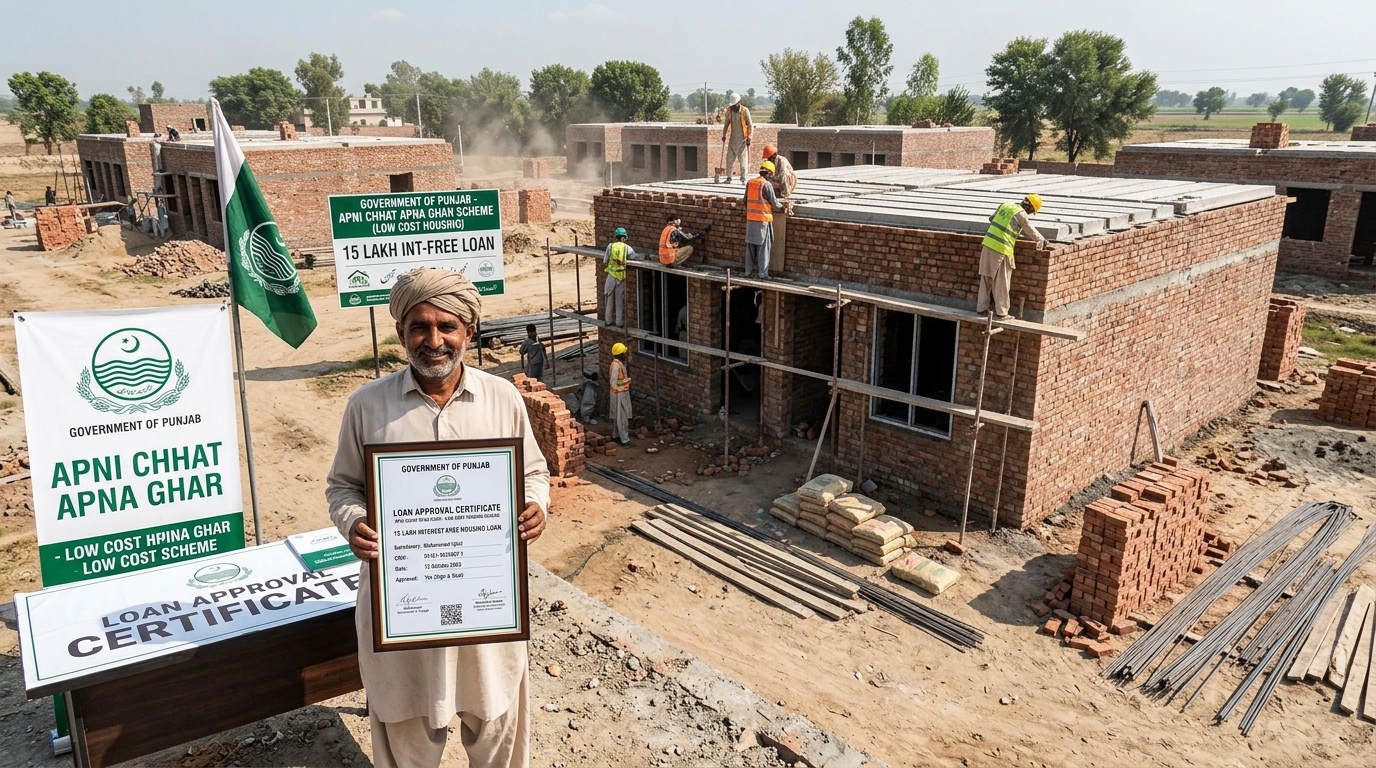
Apni Chhat Apna Ghar Loan: Instant Qist Tracking
PITB portal par 15 lakh bila-sood loan ki approval check karne aur pehli qist (installment) track karne ka mukammal step-by-step tariqa.
Read guide
CM Balochistan Youth Skills Scheme 2026 Online Apply & Registration Guide
Apply online for CM Balochistan Youth Skills Scheme 2026. Complete guide to B-TEVTA online registration, courses, monthly stipends, and 30,000 overseas jobs.
Read guide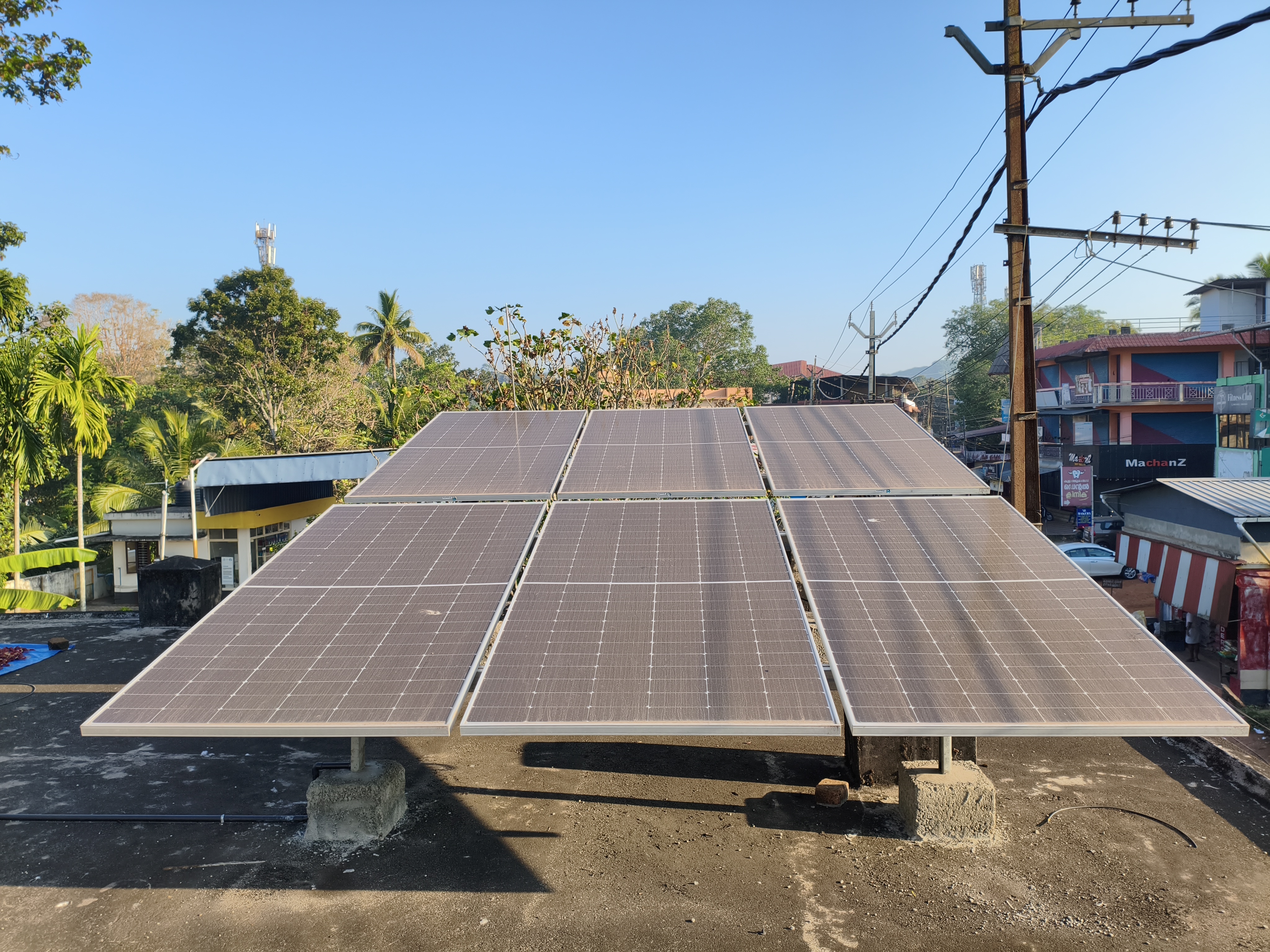
Punjab Solar Tube Well Scheme 2026 Online Apply: Eligibility, Subsidy Rates, Registration Portal & Balloting
To apply for the Punjab Solar Tube Well Scheme 2026 online, eligible farmers in Punjab must submit their CNIC, land ownership verification (Fard), and tube well details through the official portal at cmstp.punjab.gov.pk or via agriculture.punjab.gov.pk. The Punjab government covers up to 67% of the capital cost to convert existing diesel and electric tube wells into solar pumping systems through transparent PITB computerized balloting.
Read guide