
This article explains public information. It does not determine eligibility or replace an official notice.
Confirm why you are visiting
The records needed for a new survey, household update, appeal, or biometric problem may differ. Check the official message or ask the tehsil office what applies to your case.
Build a simple document folder
Bring originals and any copies specifically requested by the official office.
- Valid CNICs for relevant adult household members.
- B-Forms or required identity records for children.
- An active mobile number registered as required by the programme.
- Any official message, token, receipt, or previous survey reference.
- Supporting records requested for a household change or special circumstance.
What to expect during the visit
A typical visit involves confirming your identity, reviewing or recording household details, and receiving a token or written reference for your case. Ask the desk officer to explain your next step in plain terms before you leave, rather than assuming the visit alone completes the process.
Keep your originals in sight
Hand documents only to staff at an official desk and collect every original before leaving. Registration and survey guidance should not require payment to an outside agent.
Documents needed for BISP registration
For a household registration or update inquiry, organize the relevant adults' identity records, children's records and any existing official reference. Confirm the actual requirements with BISP. A first household inquiry and a request to correct a particular fact can need different supporting evidence.
Write the purpose of the visit on a separate note without including unnecessary private information. If a birth, death, marriage or other change is involved, ask which record the desk needs to verify it. Do not assume that a utility bill, photograph or certificate is mandatory merely because an unofficial checklist includes it.
Documents needed for Taleemi Wazaif
BISP's published enrollment list identifies the beneficiary's CNIC, the child's B-form or CRC and a school or college admission slip containing class and institution information verified by a teacher. Those records connect the household, child and school. Check that the details describe the same child before the visit.
Keep a separate set for each child. A sibling's enrollment reference does not replace another child's record, and a household status message is not a school admission certificate. If the child has transferred schools, ask how the old and new institution details should be presented so attendance can be linked correctly.
Documents for Ehsaas-related programmes
First identify the specific programme behind the Ehsaas name. A BISP household inquiry, a savings-account question and an interest-free loan application have different purposes. A loan provider may ask for business information, while an account provider handles its own identity-verification process.
Use the current administrator's checklist rather than sending every document you own. If a historical programme notice is circulating, establish whether its application route is still active before preparing a submission. Our Ehsaas guides separate the different services and link to the relevant official information.
What to do if a document is missing
Ask the receiving office to identify the missing record precisely. A child's identity document, school slip and household relationship record are different documents issued or verified through different routes. Knowing the exact problem prevents paying for an unrelated certificate or making an unnecessary journey.
If a name or date differs across records, ask which organization must correct the underlying entry. Do not alter a scan yourself or use a document belonging to another family member. Keep any official acknowledgment of a correction request and ask whether the programme can note that the issue is being resolved.
Originals, copies and digital files
Carry originals for inspection where the official process requires them and only the copies requested. Keep originals within sight and collect them before leaving. If a document is retained as part of an authorized process, ask what acknowledgment or reference is provided.
For digital submissions, inspect the destination before uploading. Use readable scans and the required file format, but avoid including extra pages containing unrelated private information. Remove temporary copies from a shared device after submission. Do not let an outside helper retain a reusable folder of your family's identity documents.
Make follow-up easier
Keep the application or inquiry reference, visit date and next instruction in one place. A simple list of what was submitted helps if the office later asks about a missing record. Separate each programme's references rather than treating a bank transaction number as a BISP registration token.
Before a return visit, confirm why it is needed and whether another document is required. Do not pay an intermediary to interpret routine paperwork or promise that a document bundle guarantees approval. The official organization decides what evidence it accepts and whether the programme conditions are met.
Prepare a short question list
Before leaving home, list the unresolved questions you want the official desk to answer. Confirm which record is missing, who issues it and whether you should return with an original or a copy. This helps avoid repeated visits based on incomplete instructions.
Frequently asked questions
Is this one mandatory document list for every scheme?
No. It is a preparation checklist. Confirm the exact requirements with the programme handling your case.
What school documents does Taleemi Wazaif identify?
BISP lists the beneficiary’s CNIC, the child’s B-form or CRC and a teacher-verified school or college admission slip.
What if a required document is missing?
Ask the responsible desk which record is needed and which organization issues or corrects it before arranging another visit.
Should I send my documents to PakBenefits?
No. Submit private documents only through the responsible official programme or authorized provider.
Sources and official links
Check the destination address before entering personal information.
Saad has covered BISP, Ehsaas, and provincial welfare schemes for Live Govt Schemes & Ehsaas Programs since 2024, cross-checking every guide against the current official portal before publication.
Ayesha reviews programme-eligibility and payment content for accuracy against BISP, NADRA NSER, and provincial notices, and flags any guide that needs an update after an official policy change.
Related guides
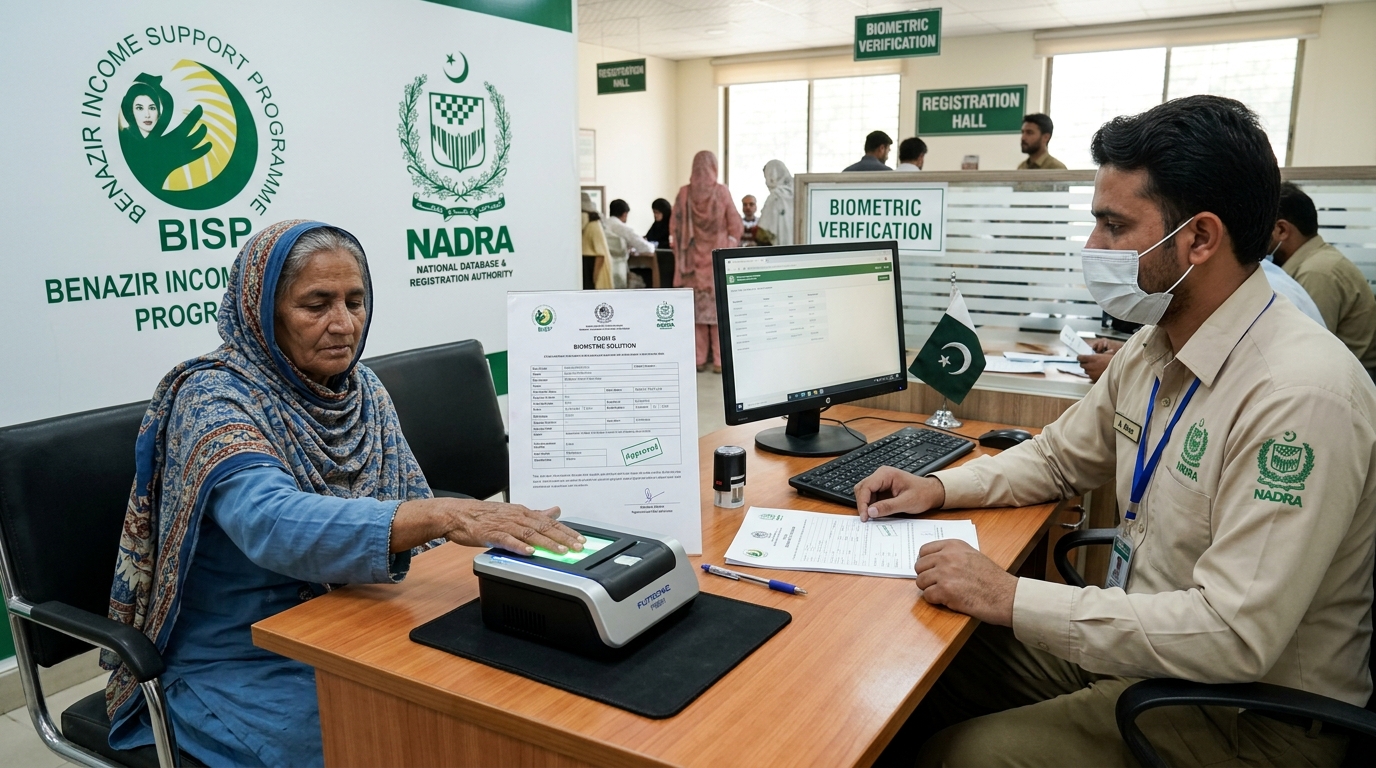
BISP Biometric Failed? Guaranteed Rs 13,500 Fix
POS machine ya ATM par fingerprints match na hone ki surat mein 13,500 Rs ki payment Form B aur NADRA verification ke zariye hasil karne ka mukammal tariqa.
Read guide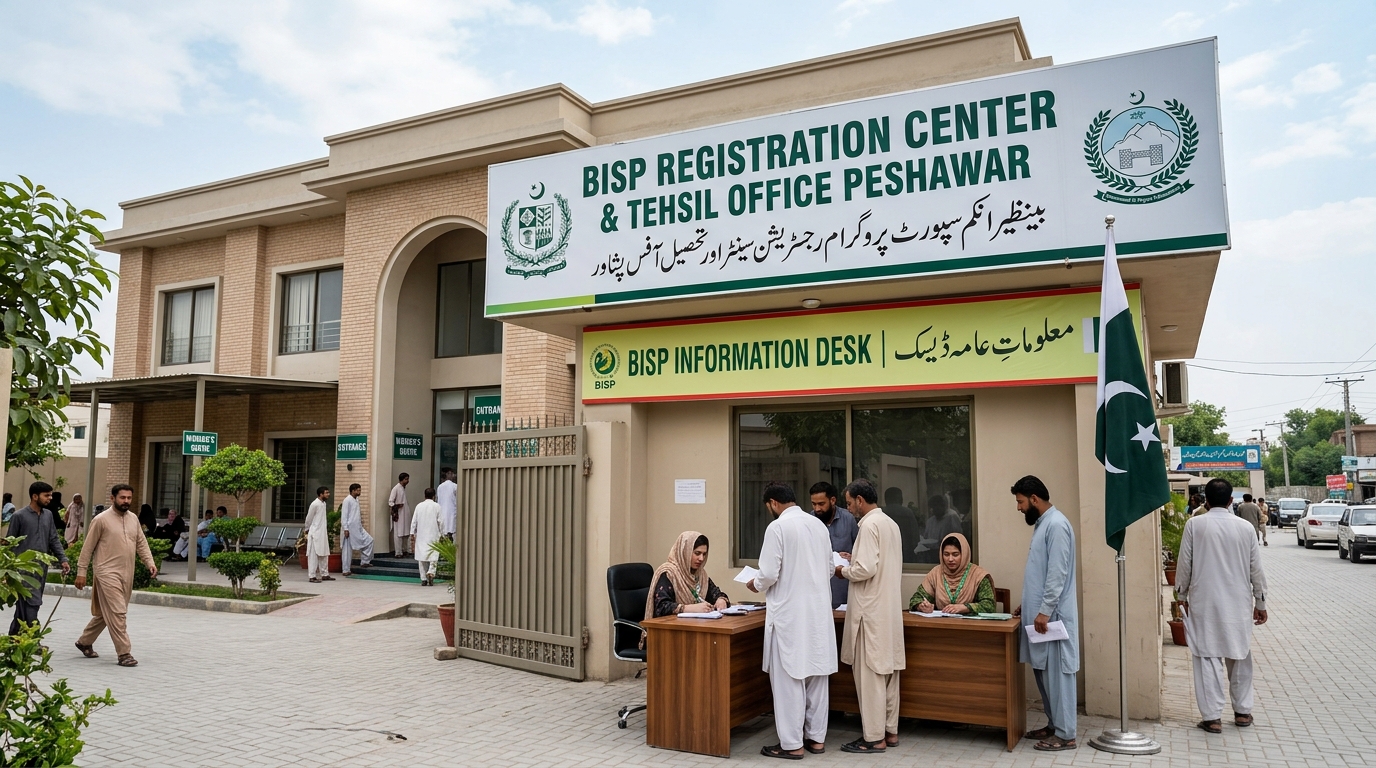
Verified BISP Tehsil Offices KPK & Peshawar List
Peshawar aur KPK ke tamam major districts ke BISP offices ke exact addresses, contact details aur timings ki mukammal master list.
Read guide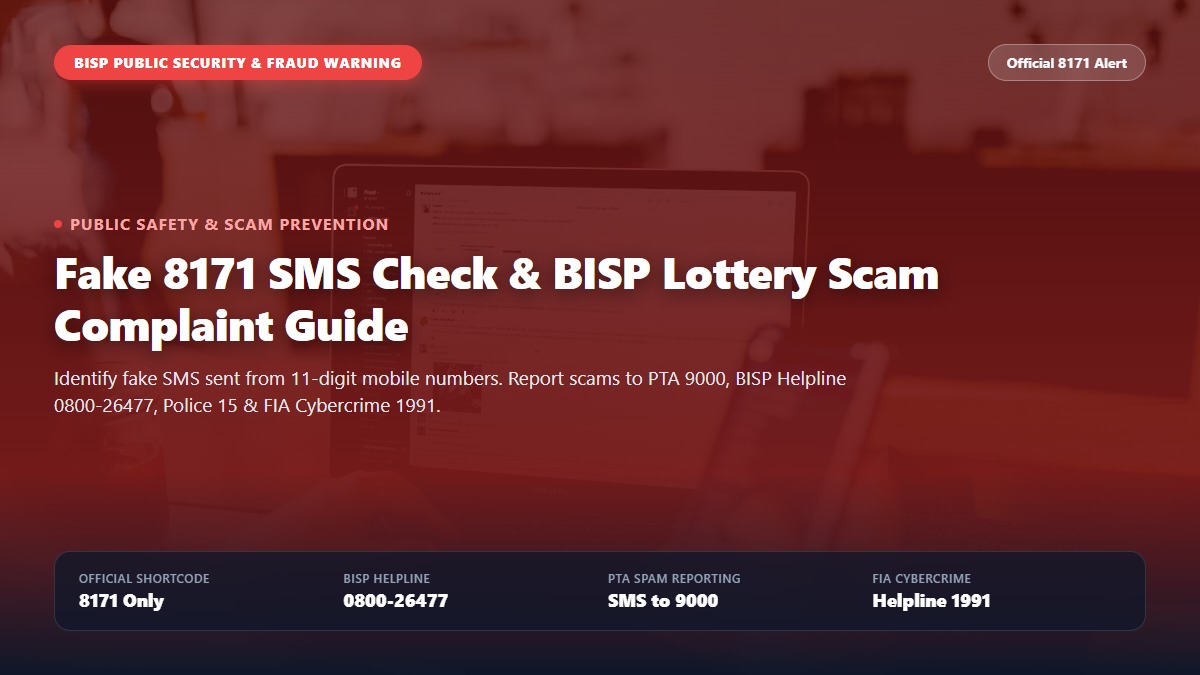
Fake 8171 SMS Check, Complaint & BISP Lottery Fraud Alert Guide
Spot fake 8171 SMS scams and report BISP lottery fraud. Step-by-step guide to reporting scammers on PTA 9000, BISP Helpline 0800-26477, Police 15, and FIA Cybercrime.
Read guide