This article explains public information. It does not determine eligibility or replace an official notice.
What was decided on 2 November 2026?
What is the 15 day cleanliness target?
The 15 day target is a deadline for visible improvement, not a new scheme launch. Punjab Chief Minister Maryam Nawaz Sharif chaired a special meeting on 2 November 2026 to review Suthra Punjab. She set a target of 100 percent improvement in cleanliness across Punjab within 15 days. The target covers cities, towns, and villages. It is a performance target for officials and sanitation teams, not a payment or registration deadline for residents.
When is the follow up meeting?
The follow up meeting was called after one week. That means progress was due for review about seven days after the 2 November 2026 meeting, before the full 15 day period ended. A one week check makes sense for a short deadline. It lets officials spot weak districts early, instead of waiting until day 15 to find problems.
Which fines were ordered, and which were only discussed?
What fines apply to littering after cleaning?
The November meeting ordered fines for people found littering roads after cleaning operations. This is a key detail. The offence is not litter in general in every report. It is litter dropped after a road has been cleaned. That order puts the focus on keeping cleaned roads clean, rather than only on cleaning them again.
The November reports do not publish a specific fine amount for this order. Do not trust a post that gives you a November littering fine amount without an official source. The decision to fine is confirmed. The amount for the November order is unconfirmed. That distinction is the most important fact check in this guide.
What fines apply to dumping in markets and bazaars?
The meeting also ordered measures to penalise people for dumping garbage in markets, bazaars, vegetable markets, fruit markets, and grain markets. Market dumping creates a visible mess fast. It blocks walkways, attracts pests, and makes a cleaned market dirty again within hours. That is why markets were named separately from roads.
Were fines decided for vacant plots?
Fines for vacant plots were discussed, not confirmed as a final published decision in the November meeting reports. The meeting discussed imposing fines on owners of vacant plots where garbage is found. The word discussed matters here. It means the idea was on the table. It does not prove that a new vacant plot fine, or a specific amount, was approved that day.
What did the November meeting not publish?
The November meeting did not publish a fine table. It did not publish a specific amount for littering after cleaning. It did not publish a specific amount for market dumping. It did not publish a confirmed vacant plot fine amount. Older fine figures from other schemes or pilots are not November meeting figures. This guide keeps them separate. See the section on the September e-challan pilot and the section on the law text. Both help explain where older numbers came from, but neither replaces an official November fine notice.
Which five cities move to self-operation?
Which cities are included in self-operation?
Self-operation was decided for Lahore, Faisalabad, Gujranwala, Multan, and Dera Ghazi Khan. These are five large cities. Under self-operation, sanitation work in these cities moves away from private solid waste management companies and toward direct operation. The meeting took a principled decision to terminate the services of solid waste management companies over unsatisfactory cleanliness arrangements.
What does self-operation change in practice?
Self-operation changes who runs the work. It does not change the basic job. Streets still need sweeping. Waste still needs collection. Roads still need washing. Markets still need clearing. The change is about control and accountability. Direct operation should make it easier to check staff, machinery, and results in each city.
What about daily road washing and village cleaning?
Will main roads be washed every day?
Yes, the November meeting ordered daily washing of main roads. The Chief Minister expressed concern over dust and dirt on roads across Punjab. Daily washing is meant to cut dust and keep main roads visibly clean after sweeping. It is a daily task, not a one off clean up before an inspection.
How often will villages be cleaned?
Villages will be cleaned on alternate days. That means every other day, not every day and not once a week. The November meeting directed that cleanliness in villages be ensured every alternate day. This is an important rural detail. Many readers search only for city news, but Suthra Punjab covers villages too.
How will officials be checked?
What are weekly meetings and KPIs?
Deputy Commissioners and Assistant Commissioners were instructed to hold weekly meetings with Field Monitoring Officers. Those meetings review district reports. Field Monitoring Officers report from the ground. Deputy Commissioners and Assistant Commissioners review that work and push for fixes.
Will machinery be physically verified?
Yes, Deputy Commissioners were directed to physically verify machinery and equipment in their districts. This is a practical check. A paper list of vehicles is not enough for a 15 day target. Officials need to know what works, what is missing, and what is needed. Officials were also asked to report savings from self-operation and to set human resources targets for each district.
Will sanitation workers be paid on time?
The Chief Minister ordered timely payment of salaries to sanitation workers in every city and locality. This matters for a short deadline. Workers who are paid late cannot be expected to deliver a sudden jump in performance. Timely pay is part of the plan, not a side note.
How does this differ from the September e-challan pilot?
What happened in the September pilot?
In September 2026, Lahore started an anti-littering e-challan pilot in about 200 markets. Warning e-challans came first. That pilot was about enforcement in commercial areas and main roads, with a warning phase before formal fines. It is a separate step from the November meeting. It helps explain why fines are now in the news again, but it is not the November decision.
What is the Suthra Punjab helpline?
The Suthra Punjab helpline is 1139. It is the toll free number reported for Suthra Punjab complaints. You can use it to report garbage that was not collected, a dirty street, or a blocked drain through the official channel. Keep any complaint number you are given, so you can follow up on the same report.
What does the law already say about waste burning?
What penalties does the Suthra Punjab Authority Bill 2025 set?
The Suthra Punjab Authority Bill 2025 sets strict penalties for burning solid waste. Reports on the Bill say burning solid waste can attract a fine of up to Rs 500,000, imprisonment of up to 2 years, or both. That figure comes from the law text and later reporting on it. It is a serious penalty for a serious offence, because burning waste harms air quality and public health.
This guide flags that figure clearly as law text. It is not a November meeting decision. Do not present it as the fine set on 2 November 2026. The November meeting ordered fines for littering and market dumping, but it did not publish a specific amount for those orders. The waste burning figure belongs to a different source, and it must stay labelled that way.
Why does this distinction matter for readers?
The distinction matters because mixing sources creates false fines. A reader who sees Rs 500,000 in a November headline may think every littering case now carries that fine. That is wrong. The Rs 500,000 figure in this guide applies to waste burning under the Bill text reported above. It does not apply to every littering case, and it was not published as a November meeting fine for littering after cleaning.
Confirmed, discussed, and law text: what to trust
How can you tell a confirmed fine from a rumour?
Use this table before you share a fine figure. It separates what the November meeting confirmed, what it only discussed, and what comes from the law text or an older pilot.
| Claim | Status on 4 November 2026 |
|---|---|
| 15 day deadline for 100 percent cleanliness improvement | Confirmed in November meeting reports |
| Fines for littering after cleaning | Ordered, amount not published in November reports |
| Penalties for dumping in markets, bazaars, and vegetable, fruit, and grain markets | Ordered, amount not published in November reports |
| Fines for vacant plots with garbage | Discussed, not confirmed as a published November fine |
| Self-operation in Lahore, Faisalabad, Gujranwala, Multan, and Dera Ghazi Khan | Decided in November meeting |
| Daily washing of main roads | Ordered in November meeting |
| Village cleaning on alternate days | Ordered in November meeting |
| Follow up meeting after one week | Called in November meeting |
| Waste burning fine up to Rs 500,000 and up to 2 years | Law text from Suthra Punjab Authority Bill 2025, not a November meeting fine |
| September e-challan pilot in about 200 Lahore markets, warnings first | Reported September 2026 pilot, not a November decision |
What should residents and shopkeepers do now?
Use this short checklist. It covers only steps that follow from confirmed orders and official channels.
- Do not litter a road after it has been cleaned.
- Do not dump garbage in a market, bazaar, or vegetable, fruit, or grain market.
- Keep the area outside your shop or home clear of dumped waste where you can.
- Keep a vacant plot clear of garbage, and watch for an official notice on vacant plot fines.
- Note the date and place if a main road is not washed, or a village misses its alternate day clean.
- Report a missed collection or dirty street through helpline 1139 or another official channel.
- Keep any complaint number you are given for follow up.
- Check the date and source before you share a fine amount online.
What should you watch next?
What dates matter after 4 November 2026?
Three dates matter most. First, the one week follow up meeting, which was due about seven days after 2 November 2026. Second, the end of the 15 day period, which tests whether the 100 percent improvement target was met. Third, any official fine notice that follows the November meeting. That notice, if published, would fill the gap this guide flags: a specific amount for littering after cleaning and market dumping.
Where do other Punjab schemes fit in?
Suthra Punjab is a cleanliness programme, not a housing, energy, or farm scheme. For housing help, see the Apni Chhat Apna Ghar guide. For a wider list, see Punjab schemes. For cards and housing support, see housing and social cards in Punjab. For farm energy help, see the Punjab solar tube well scheme. For farm machinery help, see the CM Punjab Green Tractor Scheme.
Frequently asked questions
What is the Suthra Punjab 15 day deadline?
It is a target set on 2 November 2026 for a 100 percent improvement in cleanliness across Punjab within 15 days. It was set by Punjab Chief Minister Maryam Nawaz Sharif at a review meeting on Suthra Punjab. It is a performance target for officials, not a registration deadline for residents.
What fines were ordered in the November 2026 meeting?
The meeting ordered fines for littering roads after cleaning, and penalties for dumping garbage in markets, bazaars, and vegetable, fruit, and grain markets. It did not publish a specific fine amount for those orders in the reports checked for this guide. Treat any November amount without an official source as unconfirmed.
Is there a confirmed fine for vacant plots?
No confirmed vacant plot fine amount was published in the November meeting reports. The meeting discussed imposing fines on owners of vacant plots where garbage is found. Discussion is not the same as a confirmed, published fine, so check for an official notice before you quote a figure.
Which five cities move to self-operation?
Lahore, Faisalabad, Gujranwala, Multan, and Dera Ghazi Khan move to self-operation. The meeting decided to terminate the services of solid waste management companies over unsatisfactory performance in those cities. Self-operation means direct operation instead of private company operation in those five cities.
Will main roads be washed every day?
Yes, the November meeting ordered daily washing of main roads. The order responds to concern over dust and dirt on roads across Punjab. Daily washing pairs with the littering fine, because a cleaned road should stay clean after cleaning operations.
How often will villages be cleaned?
Villages will be cleaned on alternate days, which means every other day. That schedule was directed at the November meeting. It gives rural areas a regular pattern, rather than a one off visit or an unclear schedule.
When is the follow up meeting?
The follow up meeting was called after one week from the 2 November 2026 meeting. It is an early checkpoint, not the end of the 15 day period. The full 15 day target is still the main deadline to watch after that checkpoint.
What is the Suthra Punjab helpline number?
The Suthra Punjab helpline is 1139. It is the toll free number reported for Suthra Punjab complaints. Use an official channel to report a missed collection, a dirty street, or a blocked drain, and keep any complaint number you are given.
What was the September 2026 e-challan pilot?
In September 2026, Lahore started an anti-littering e-challan pilot in about 200 markets, with warning e-challans first. Pilot reporting also treated tyre burning as a separate serious offence, and said fines would go through banking or digital channels, not cash. It covered commercial areas and main roads, including The Mall, Jail Road, and Ferozepur Road. It was a pilot step before the November meeting, not a November decision.
What is the penalty for burning waste under the law?
Reports on the Suthra Punjab Authority Bill 2025 say burning solid waste can attract a fine of up to Rs 500,000, imprisonment of up to 2 years, or both. That is law text, not a fine published at the November 2026 meeting. Do not apply it to every littering case.
Sources and official links
Check the destination address before entering personal information.
Related guides
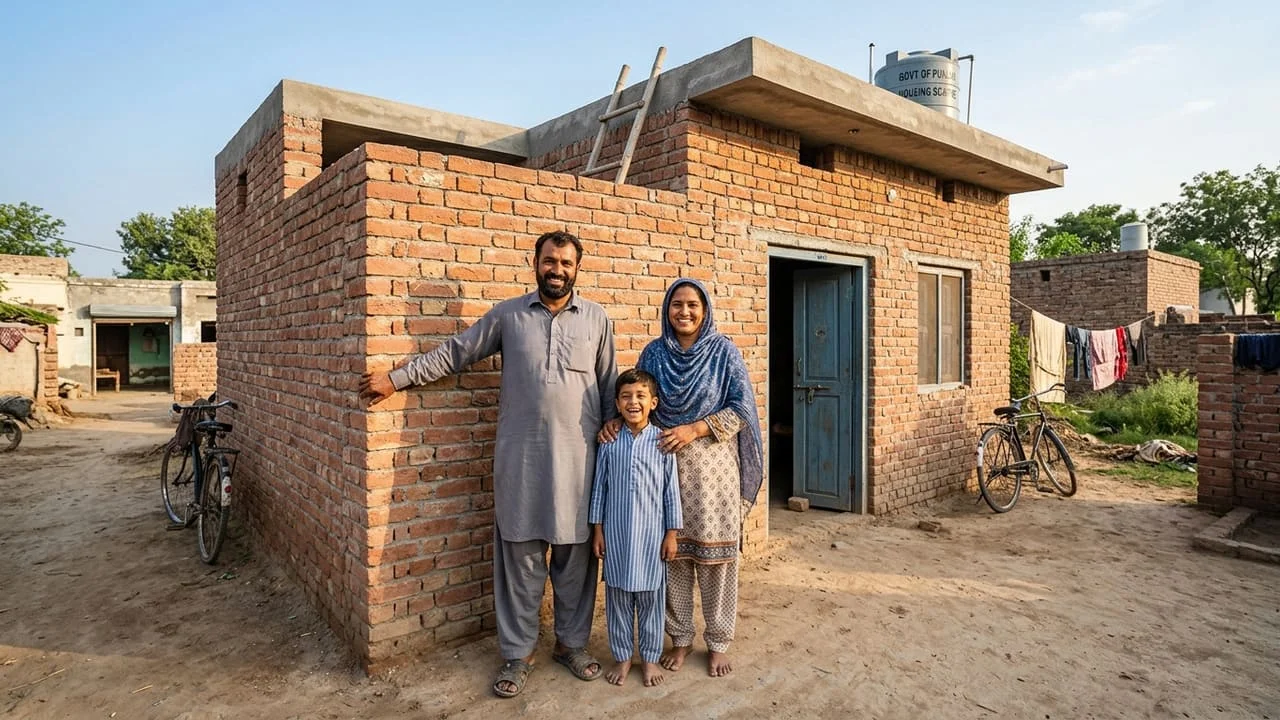
Apni Chhat Apna Ghar Scheme Online Apply 2026: ACAG Portal Registration, Eligibility & Rs 15 Lakh Loan Guide
To apply online for the CM Punjab Apni Chhat Apna Ghar Scheme in 2026, register on the official portal at acag.punjab.gov.pk using your 13-digit CNIC and mobile number, upload your computerized land ownership title (Fard Malkiat or registered Sale Deed for plots up to 5 Marlas urban or 10 Marlas rural), and submit your household socio-economic profile. Eligible applicants receive an interest-free construction loan of up to Rs. 15 Lakh, disbursed in three phased tranches and repaid over seven years at approximately Rs. 14,000 per month.
Read guide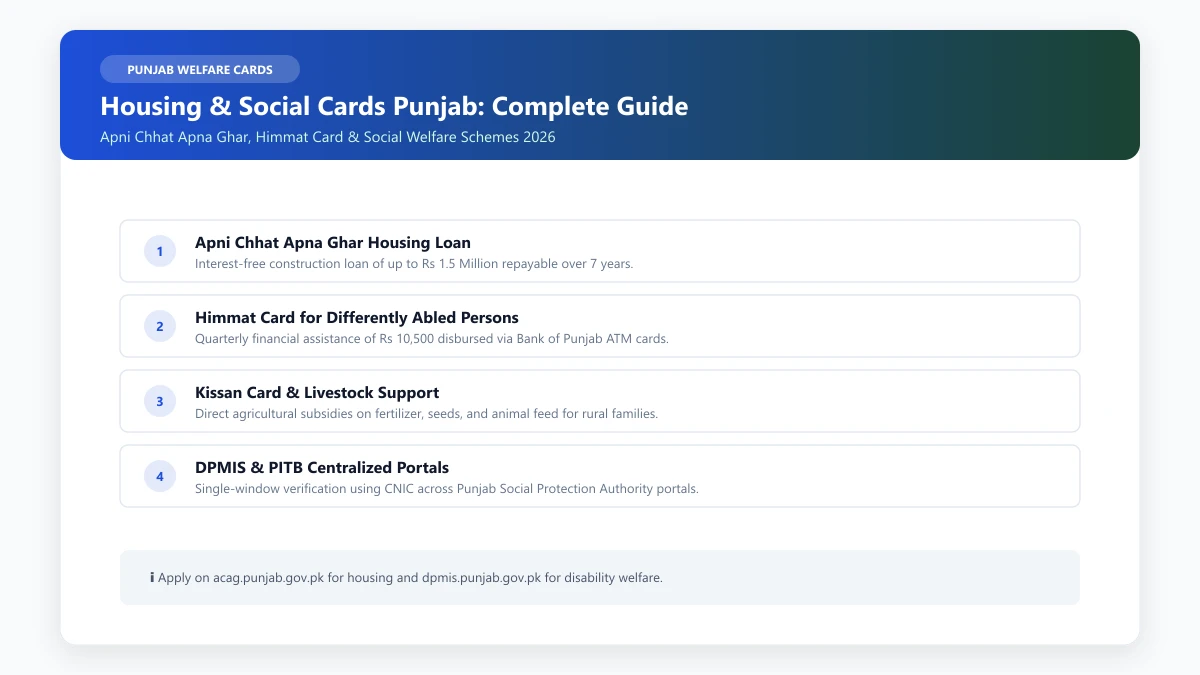
Housing & Social Cards (Punjab) 2026: Complete List, Eligibility & Online Apply Guide
Complete guide to Punjab Housing & Social Cards 2026 (Apni Chhat Apna Ghar, Himmat Card, Kisan Card, Mazdoor Card). Learn eligibility, PSER status check & online apply steps.
Read guide
BISP E-Kacheri Live Complaint Guide: How to Raise Your Case in the Live Session
The BISP E-Kacheri is a live phone-in where Chairperson Senator Rubina Khalid takes beneficiary calls on BISP's verified Facebook page and directs officers to fix complaints. Sessions last about an hour, past 2026 sessions took 27 to 37 callers each, and no call-in number is published in advance.
Read guide
Why the BISP November 2026 Payment Delay Is Happening
Your BISP November 2026 payment may be late. The October to December 2026 qist is Rs 14,500 and it is released phase by phase, so your district phase may not have opened yet. Unconfirmed reports of device updates and linked checks can add a wait. Check 8171 and do not travel before your payment message.
Read guide
BISP Dynamic Registry Centres Mobile Vans: How and Where to Register in 2026
BISP Dynamic Registry Centres Mobile Vans give you two in person routes to the same NSER survey. Go to a Dynamic Registry Centre at your BISP tehsil office, or use a Mobile Registration Van when it visits a remote or underserved area. Both routes are free, and neither route accepts an online registration.
Read guide
Punjab Parwaaz Card Interest Free Loan for Overseas Jobs
The Punjab Parwaaz Card interest free loan helps Punjab residents with a confirmed overseas job offer pay pre-departure costs, such as medical tests, visa processing, protectorate fees, air tickets, skill tests, and OEP fees, through PSDF and a designated Bank of Punjab branch, but registration is currently closed on the official PSDF page.
Read guide